



Build the future with us!
nun schools is accepting applications from teachers who wish to contribute to our vision of "raisi...
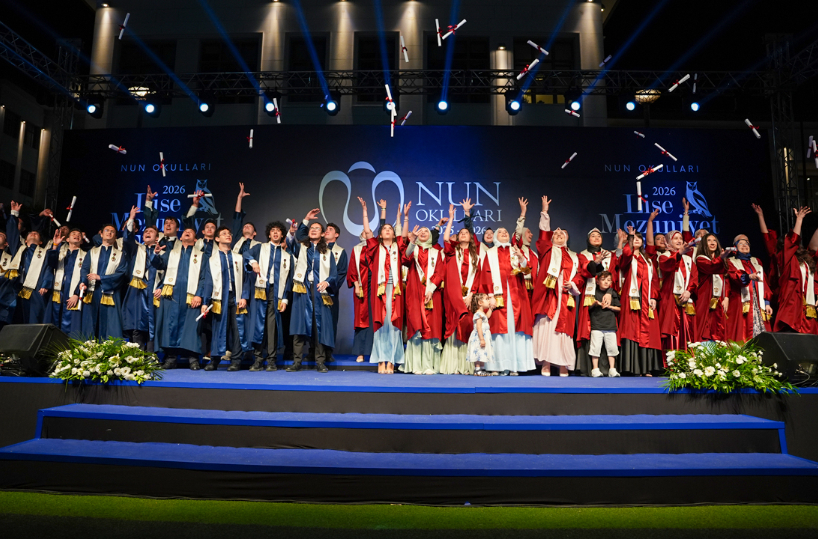
NÛN High School Bids Farewell to the Class of 2026
we bid farewell to our students upon the successful completion of their five-year educational jour...
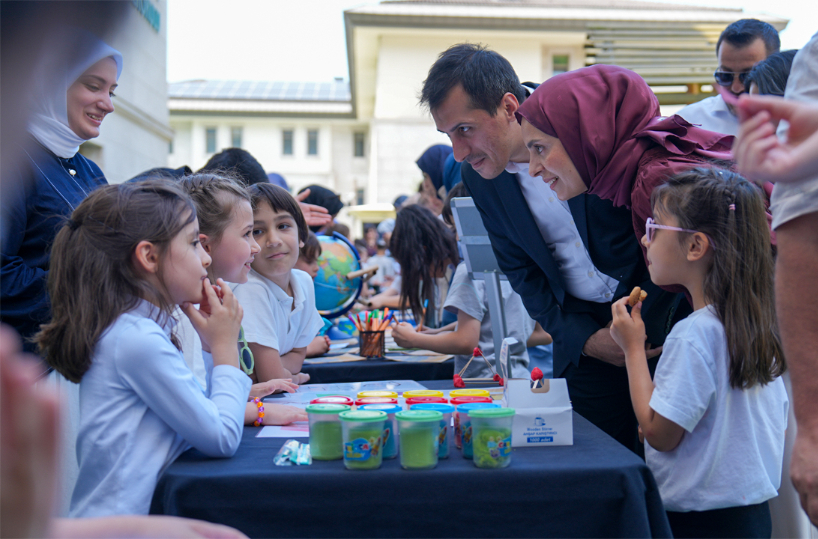
PYP Mini Exhibition
our youngest learners completed their six-week inquiry unit under the pyp theme “how the world wor...
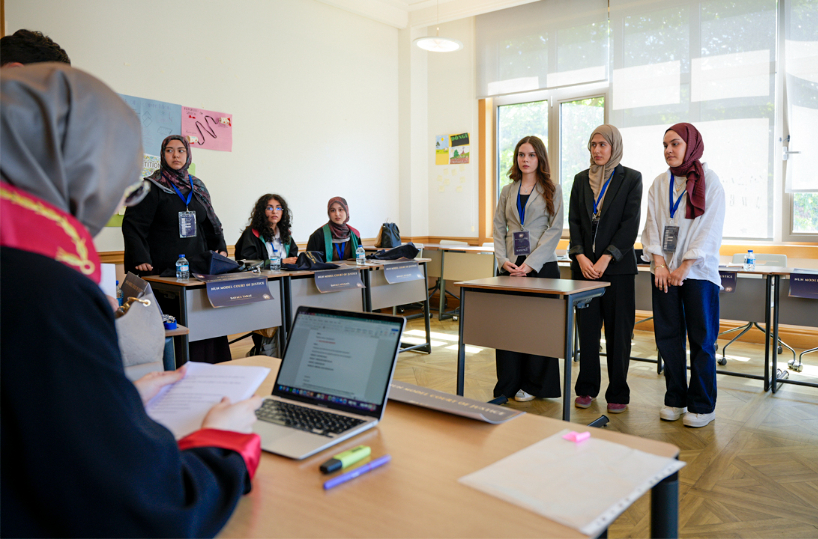
NÛN MCJ (Model Court of Justice)
the model court of justice ’26 (mcj) simulation, organized at nûn schools, brought together studen...
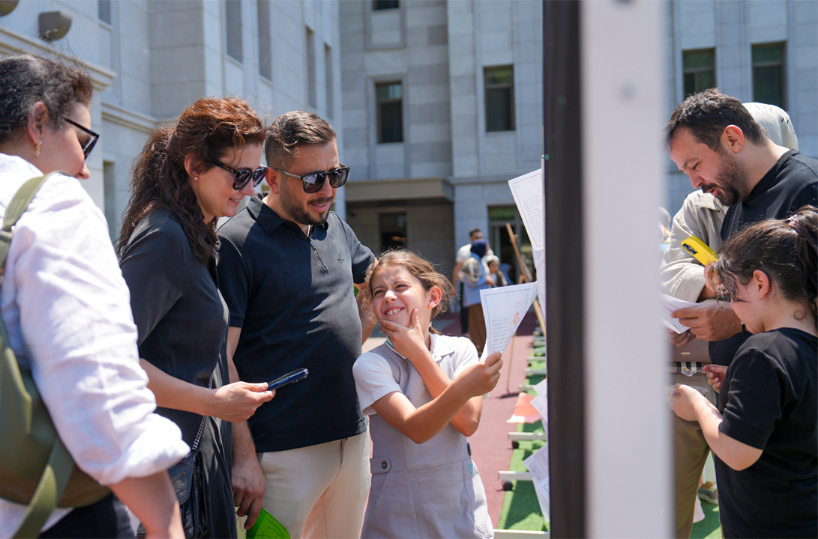
PYP Mini Exhibition
grade 3 students completed their six-week inquiry unit centered on the main idea, “discoveries and...
NUN Students Have Learned Astrolabe in Practice

Today our high school preparatory class students were introduced to a historical tool used in astronomical measurement: Astrolabe. The workshop that lasted for one and a half hours carried out by Hüseyin Şen from Utrecht University and his assistant Kamile Tekfidan started by the introduction of astrolabe. This tool was used in many astronomical and mathematical measurements from the Ancient Greece period to 18th century to calculate positions of the Sun, the Moon, the planets and the stars in the sky and also to calculate local time and times for prayer. Observed by our students’ excited and curious looks, the professors examined the 16th century miniature that showed Takiyüddin’s Observatory over the tools demonstrating the astronomy work of that period.
Our students gained a lot of information on astrolabe from the oldest writen resources such as its historical development and in which museums the old astrolabes are currently exhibited. What affected them the most was the aesthetic sensitivity of our civilization that joins science and arts. Following the presentation that also provided examples from stories and classical Turkish poetry verse on astrolabe, the workshop started. 
Firstly, the students calculated the number of hours the sun would lighten the earth on November 9th, Thursday. Following this, they individually measured the duration of day and night on their birthdays. It was worth to see their hands that marked the line of horizon on the astrolabe with excitement and their cute faces when they got serious converting degrees to minutes. At the end of the workshop all of them had learned at least one measurement with astrolabe and reached their objectives.


